
 ★ 8.1
MovieOnDrive
161 films about the road and the people behind the wheel, from It Happened One Night in 1934 to F1 in 2025: road trips for laughs and for tears, classic car movies, getaway drivers, the Fast saga, the race track, motorcycles, trucks, taxis and the dark roads of horror, with synopses, cast and where to watch.
Menu
Classic roadClassic road movies
watch more (13) »★ 8.1 ★ 7.0
 ★ 8.1
 ★ 7.8
 ★ 7.5
 ★ 7.9
 ★ 7.8
 ★ 7.3
 ★ 7.9
 ★ 8.2
 ★ 7.2
 ★ 7.1
Road comedyRoad trip comedies
watch more (13) »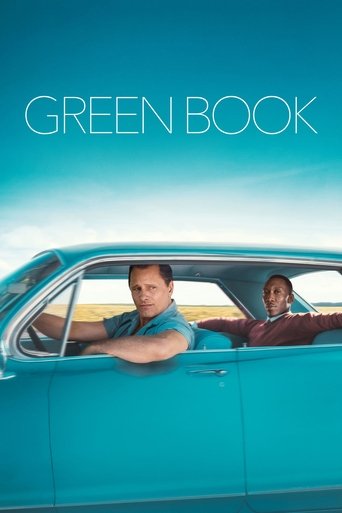 ★ 8.2
 ★ 6.8
 ★ 7.7
 ★ 7.9
 ★ 6.7
 ★ 6.4
 ★ 7.2
 ★ 5.9
 ★ 6.6
 ★ 7.4
 ★ 7.2
 ★ 6.3
Road dramaRoad trip dramas
watch more (13) »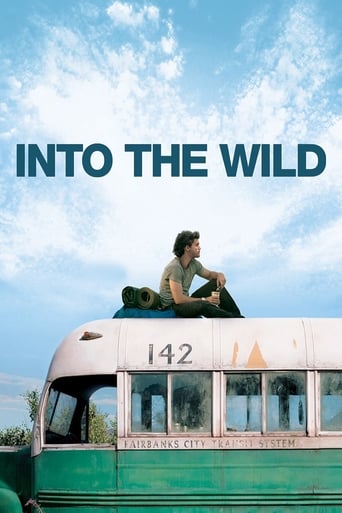 ★ 7.8
 ★ 7.7
 ★ 6.9
 ★ 7.5
 ★ 7.6
 ★ 7.2
 ★ 7.5
 ★ 7.2
 ★ 7.4
 ★ 7.7
 ★ 7.4
 ★ 7.4
Road adventureRoad adventures
watch more (12) »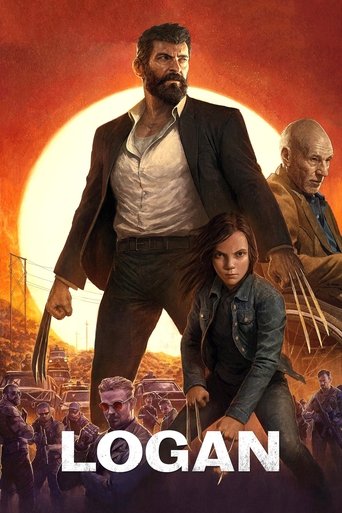 ★ 7.8
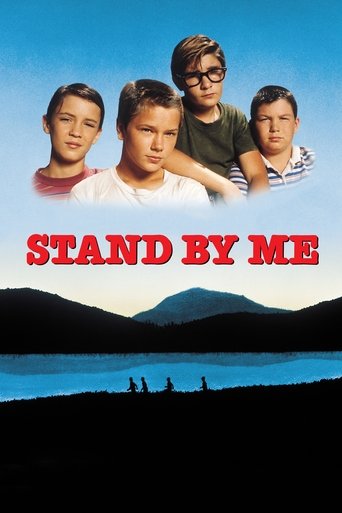 ★ 7.8
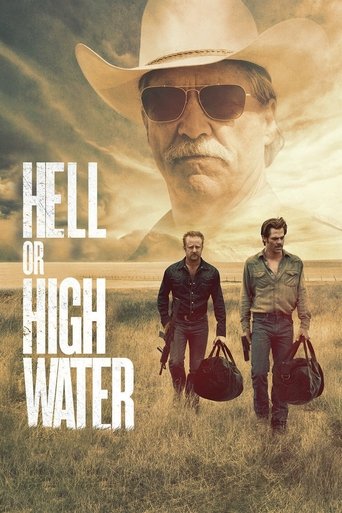 ★ 7.3
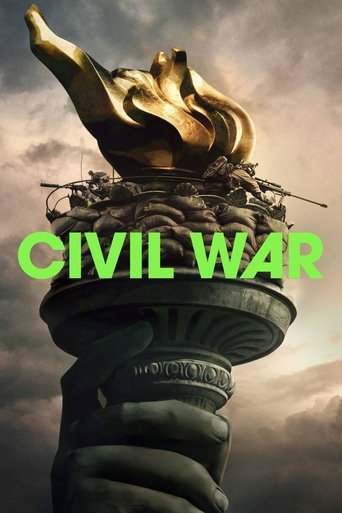 ★ 6.8
 ★ 7.0
 ★ 5.6
 ★ 7.4
 ★ 7.1
 ★ 7.1
 ★ 6.9
 ★ 6.1
 ★ 6.7
Family tripFamily road trips
watch more (13) »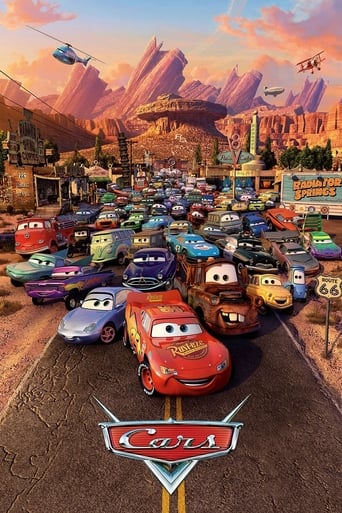 ★ 7.1
 ★ 7.4
 ★ 7.3
 ★ 6.2
 ★ 6.3
 ★ 6.4
 ★ 7.0
 ★ 6.0
 ★ 5.7
 ★ 7.4
 ★ 7.8
 ★ 5.3
Classic wheelsClassic car movies
watch more (13) »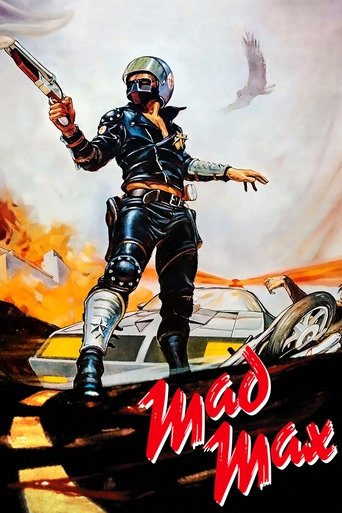 ★ 6.7
 ★ 7.7
 ★ 7.4
 ★ 7.4
 ★ 7.1
 ★ 7.1
 ★ 8.0
 ★ 6.9
 ★ 7.0
 ★ 6.8
 ★ 6.6
 ★ 6.5
GetawayGetaway drivers and chases
watch more (11) »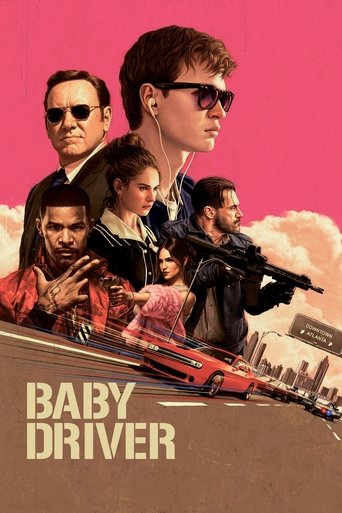 ★ 7.4
 ★ 7.6
 ★ 6.7
 ★ 7.4
 ★ 6.5
 ★ 6.3
 ★ 6.3
 ★ 6.2
 ★ 6.1
 ★ 5.7
 ★ 6.3
Street racingThe Fast saga and street racing
watch more (12) »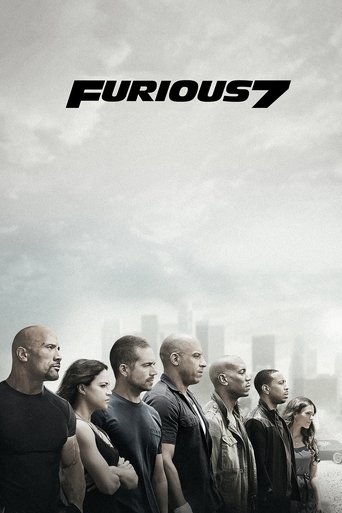 ★ 7.2
 ★ 6.8
 ★ 7.0
 ★ 7.2
 ★ 6.5
 ★ 6.7
 ★ 6.6
 ★ 5.3
 ★ 5.1
 ★ 6.4
 ★ 6.7
 ★ 6.5
Track racingTrack racing
watch more (11) »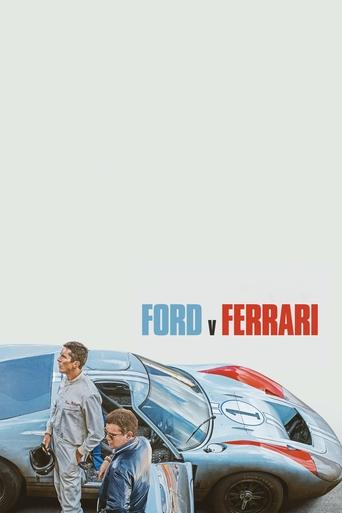 ★ 8.0
 ★ 7.7
 ★ 7.8
 ★ 6.7
 ★ 5.9
 ★ 6.4
 ★ 6.4
 ★ 6.4
 ★ 8.1
 ★ 6.4
 ★ 6.1
Two wheelsMotorcycles
watch more (12) » ★ 5.6
 ★ 7.0
 ★ 5.0
 ★ 7.7
 ★ 6.0
 ★ 7.4
 ★ 6.7
 ★ 7.7
 ★ 5.3
 ★ 6.3
 ★ 5.2
 ★ 6.2
Big rigsTrucks and buses
watch more (12) » ★ 7.2
 ★ 6.7
 ★ 6.5
 ★ 5.8
 ★ 6.5
 ★ 5.8
 ★ 4.9
 ★ 7.8
 ★ 6.1
 ★ 5.5
 ★ 5.6
 ★ 5.9
TaxiTaxis and drivers
watch more (13) »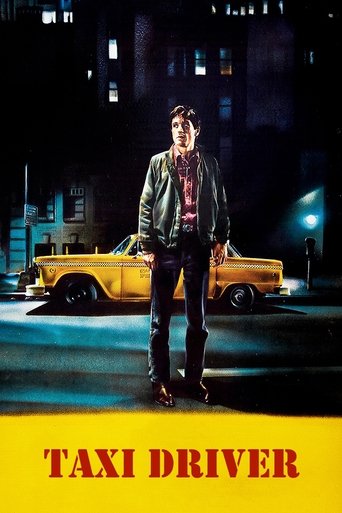 ★ 8.1
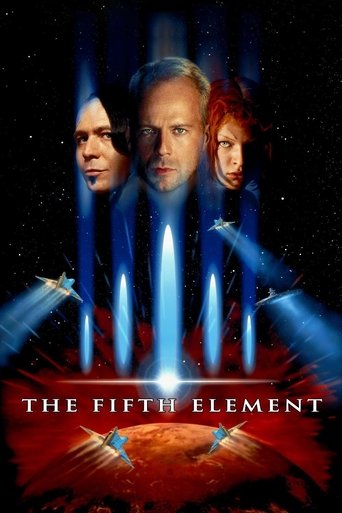 ★ 7.6
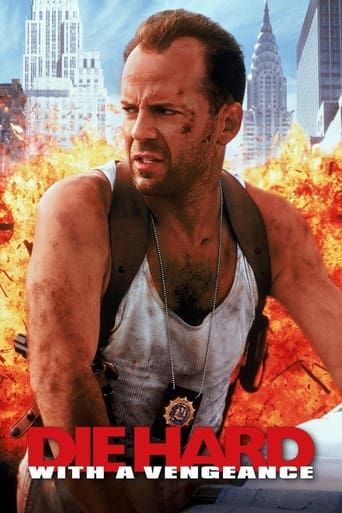 ★ 7.3
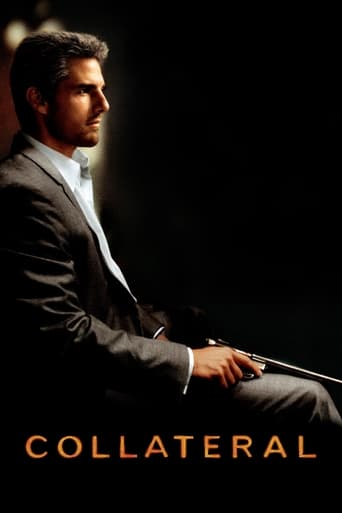 ★ 7.2
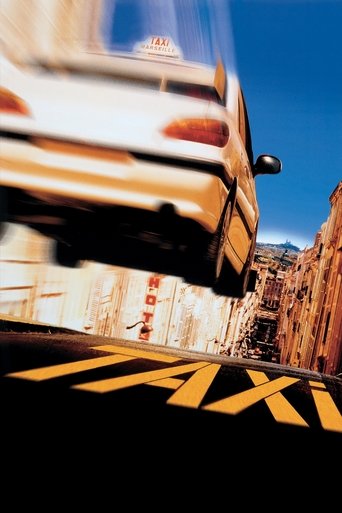 ★ 6.7
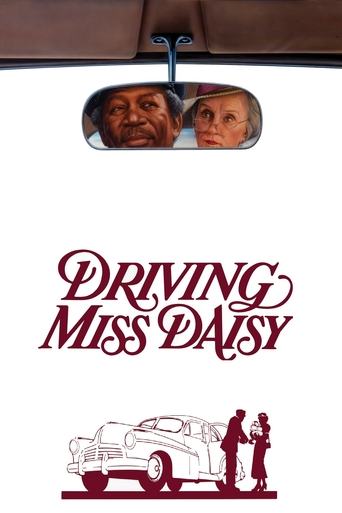 ★ 7.2
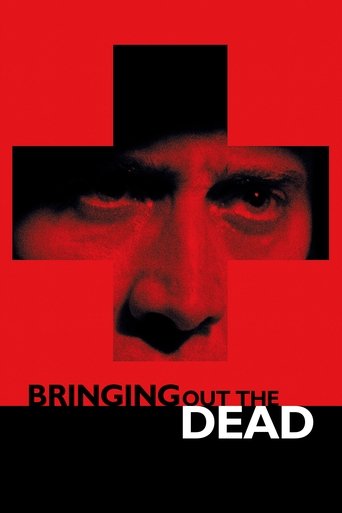 ★ 6.6
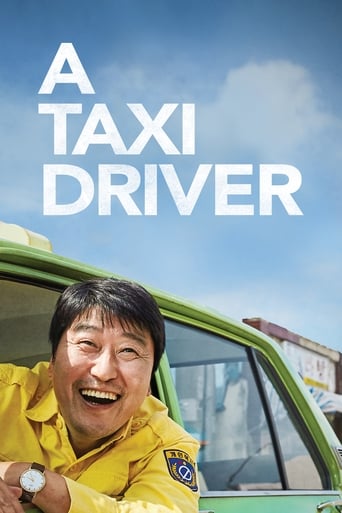 ★ 8.0
 ★ 5.6
 ★ 7.5
 ★ 7.0
 ★ 6.9
Dark roadDark roads
watch more (13) »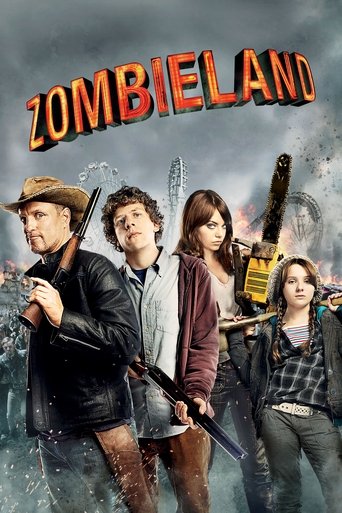 ★ 7.3
 ★ 6.9
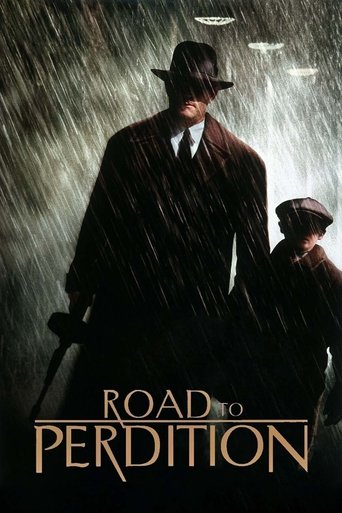 ★ 7.4
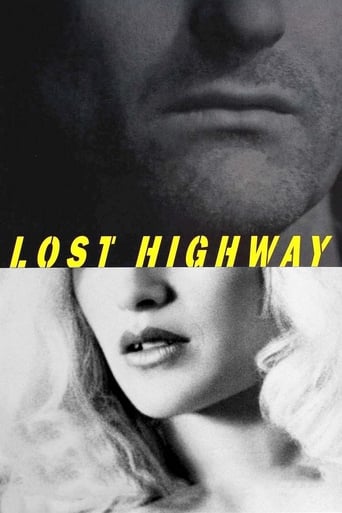 ★ 7.6
 ★ 6.9
 ★ 6.3
 ★ 5.3
 ★ 6.0
 ★ 7.0
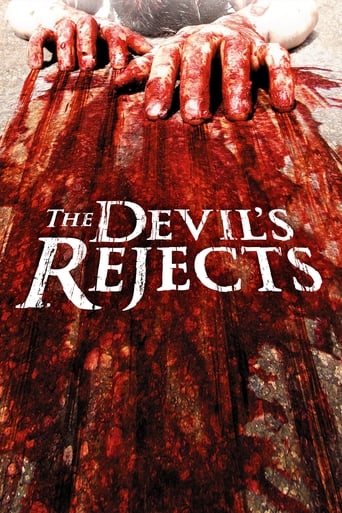 ★ 6.7
 ★ 6.6
 ★ 7.0
The MovieOnDrive guide
MovieOnDrive: movies on the drive
A name that points to the road
MovieOnDrive.com was one of the mirror addresses of a film site called MovieTube, and the Internet Archive keeps it from March 2014. In January 2015 its front page carried the full MovieTube design: a bright orange header fixed to the top of the window, a pale grey page, a white menu box on the left with links to HD films, films in cinemas, new releases, daily updates and top rated titles, a list of genres from Action to War, and sections called In Cinema, What's New and Daily Update, each with a row of posters and an orange watch more link. The footer listed the sister addresses of the same network, among them Watch33, TVStreaming, TuneVideo and TuneMovie. A year later the address had become an unrelated download page. The guide The site and its capture describes the 2015 page in detail.
This guide keeps the look of that page and reads the name literally. A movie on drive is a movie on the road: a road trip, a getaway, a race, a long night in a taxi, a truck crossing a frozen lake. MovieOnDrive gathers 161 films about the road and the people behind the wheel, from It Happened One Night, the bus-and-hitchhiking comedy of 1934, to F1, the racing drama of 2025. The guide Movies on the drive sums up the idea in a few lines, and the guide Start with MovieOnDrive picks one film from each family for a first visit.
How the shelves are built
The films come from TMDB, the film database behind the data of this guide, which tags each title with keywords. The guide gathered the films tagged road trip, road movie, on the road, highway, hitchhiker or cross country; car race, race car driver, NASCAR, drag racing or street racing; car chase or getaway driver; taxi, taxi driver or chauffeur; truck, truck driver or bus; and motorcycle or biker, each with at least 150 votes. Keywords are generous, so every film was then checked by hand: a spy film with a single motorbike chase, or a fantasy with one scene on a bus, stays out. Each film sits on one shelf only, and each shelf keeps its thirteen most voted films. The guide How the shelves work details each rule.
The thirteen shelves fall into four families. The open road holds the road movie in the classic sense, the journey across a country: classic road movies, road trip comedies, road trip dramas, road adventures and family road trips, 64 films in all. Behind the wheel holds the films about driving itself: classic car movies, getaway drivers and chases, the Fast saga and street racing, and the race track, 47 films. Two wheels and big rigs holds motorcycles, trucks and buses, and taxis and drivers, 37 films, and After dark holds the horror and thrillers of the highway. Every card carries the road tag of its shelf, from Classic road to Dark road, and every film has an English synopsis, its cast and director, and a Watch now button that opens it on JustWatch for the country you choose.
The open road
The road movie is a story told in motion: characters leave home, cross a landscape and arrive somewhere changed. The family The open road follows that idea through five shelves, from the black and white classics to the animated films that families watch on a long drive. The guide The open road sums up the family.
Classic road movies
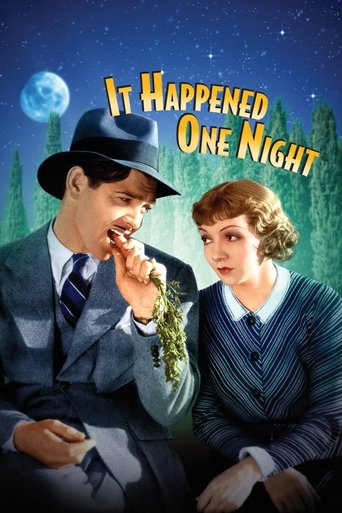
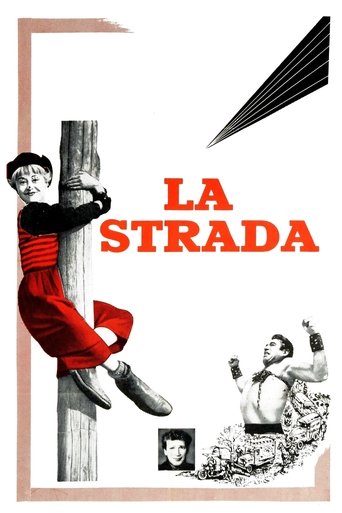
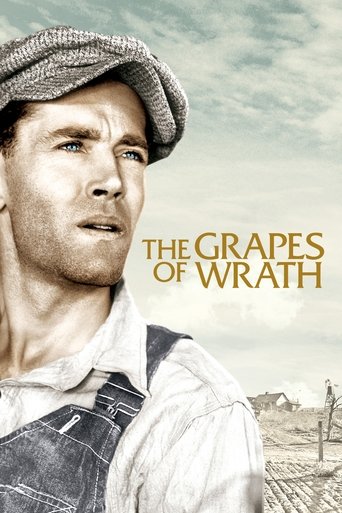
The shelf Classic road movies gathers thirteen films from 1934 to 1984, with an average rating of 7.62; three reach 8. The oldest is It Happened One Night, of 1934, by Frank Capra, with Clark Gable and Claudette Colbert, a runaway heiress and a reporter who travel by bus and on foot from Miami to New York, the first film to win the five main Academy Awards. The Grapes of Wrath, of 1940, by John Ford, with Henry Fonda, follows a family of farmers driven west to California by the Dust Bowl, and La Strada, of 1954, by Federico Fellini, follows a travelling strongman and the young woman he buys as his assistant.
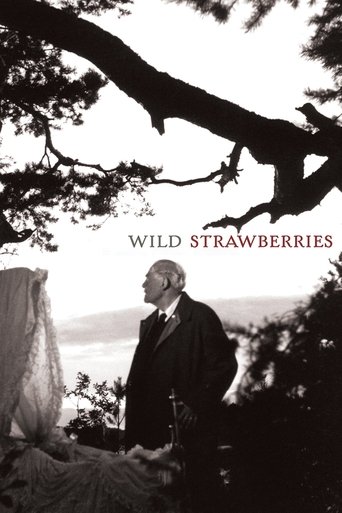
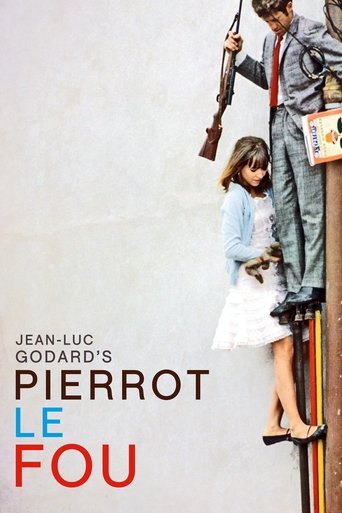
Europe gives the shelf two of its best rated films: Wild Strawberries, of 1957, by Ingmar Bergman, with an 8.1, in which an old professor drives across Sweden to receive an honorary degree and relives his life on the way, and Il Sorpasso, of 1962, by Dino Risi, with an 8.2, tied with Green Book as the best rated film of the guide, in which a reckless charmer played by Vittorio Gassman takes a shy student on a two-day drive along the Italian coast. Jean-Luc Godard sends Jean-Paul Belmondo and Anna Karina on the run to the south of France in Pierrot le Fou, of 1965, and Michelangelo Antonioni sends Jack Nicholson across Europe and Africa under a stolen identity in The Passenger, of 1975.
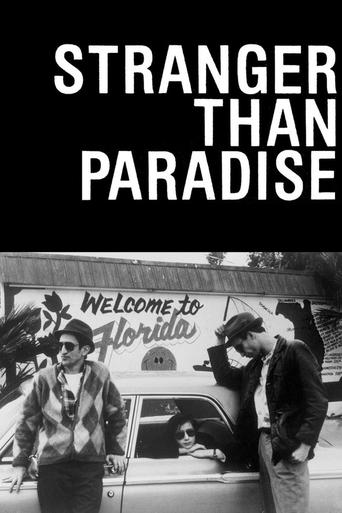
The American road movie of the late 1960s and 1970s is here too. Easy Rider, of 1969, by Dennis Hopper, with Peter Fonda, the most voted film of the shelf after Paris, Texas, sends two bikers across the South and made the genre a symbol of the counterculture. Jack Nicholson appears again in Five Easy Pieces, of 1970; Terrence Malick follows two young lovers on a killing spree across the plains in Badlands, of 1973, and Peter Bogdanovich pairs Ryan O'Neal and his daughter Tatum as a con man and a girl crossing Kansas in Paper Moon, of 1973. The shelf closes in 1984 with two films about drifting: Stranger Than Paradise, by Jim Jarmusch, and Paris, Texas, by Wim Wenders, with an 8.1, in which a man who has wandered the desert for four years sets out to find his wife and son.
Road trip comedies
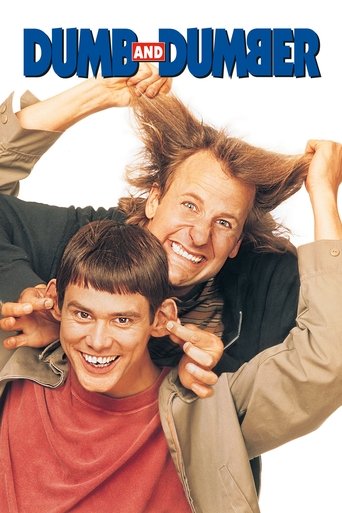
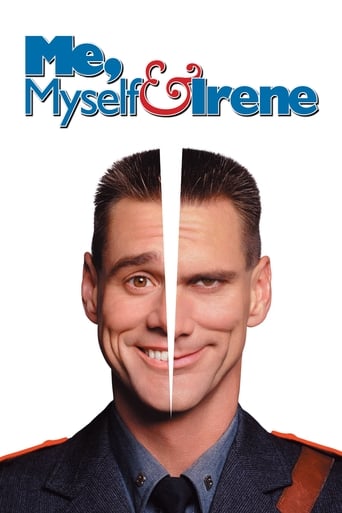
The shelf Road trip comedies gathers thirteen films from 1994 to 2018, with an average rating of 7.04 and about 82,000 votes, the most of any open road shelf. The most voted and the best rated is Green Book, of 2018, with an 8.2, by Peter Farrelly: Viggo Mortensen plays a bouncer from the Bronx hired to drive the pianist Don Shirley, played by Mahershala Ali, on a concert tour of the American South in 1962. It won the Academy Award for best picture. Farrelly is the director of the shelf, with two more road comedies starring Jim Carrey: Dumb and Dumber, of 1994, two dim friends driving to Aspen to return a briefcase, and Me, Myself and Irene, of 2000.
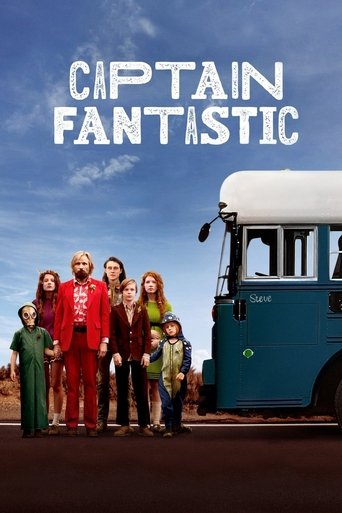
The family on the road is the other favourite theme. Little Miss Sunshine, of 2006, with a 7.7, crams a struggling family into a yellow van to take the youngest daughter to a beauty pageant in California; Captain Fantastic, of 2016, with a 7.9, takes a father who has raised his six children in the forest out on a long bus journey, and Viggo Mortensen appears in both Green Book and Captain Fantastic. The fake family of We're the Millers, of 2013, smuggles drugs from Mexico in a camper van, and Vacation, of 2015, sends the son of the Griswolds back on the road to Walley World.
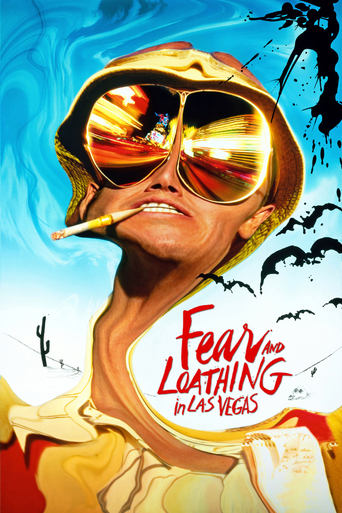
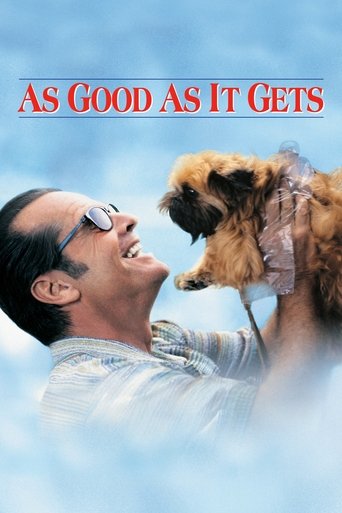
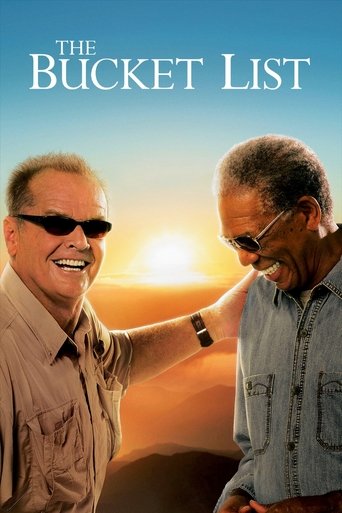
The rest of the shelf is about strangers thrown together. Due Date, of 2010, pairs Robert Downey Jr. and Zach Galifianakis on a drive across the country; Dirty Grandpa, of 2016, sends Robert De Niro and Zac Efron to Florida; The Bucket List, of 2007, gives Jack Nicholson and Morgan Freeman a final journey around the world, and As Good as It Gets, of 1997, puts Jack Nicholson behind the wheel on a trip to Baltimore. Fear and Loathing in Las Vegas, of 1998, by Terry Gilliam, with Johnny Depp, is the wildest drive of the shelf, and Chef, of 2014, by and with Jon Favreau, follows a chef who drives a food truck from Miami to Los Angeles with his son.
Road trip dramas
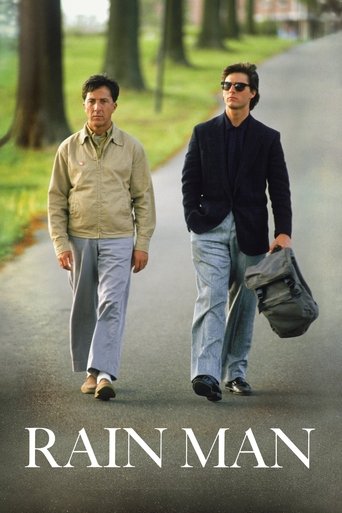
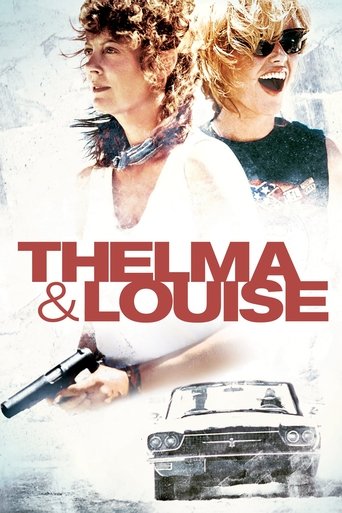
The shelf Road trip dramas gathers thirteen films from 1988 to 2021, with an average rating of 7.42. The most voted is Into the Wild, of 2007, by Sean Penn, with a 7.8: a young graduate gives away his savings and travels across America toward Alaska. Rain Man, of 1988, by Barry Levinson, with Tom Cruise and Dustin Hoffman, is the classic drive of two brothers who discover each other on the way from Cincinnati to Los Angeles, and it won the Academy Award for best picture. Thelma and Louise, of 1991, by Ridley Scott, sends Susan Sarandon and Geena Davis on a weekend trip that turns into a flight across the Southwest.
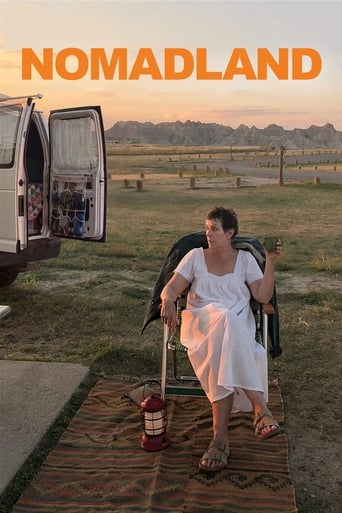
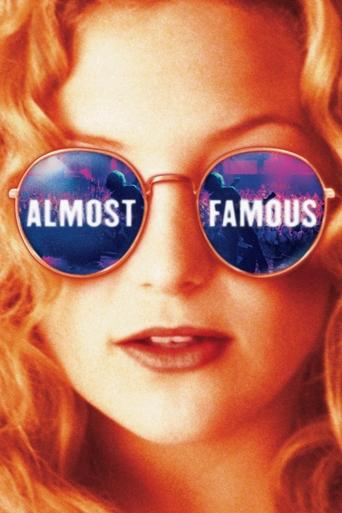
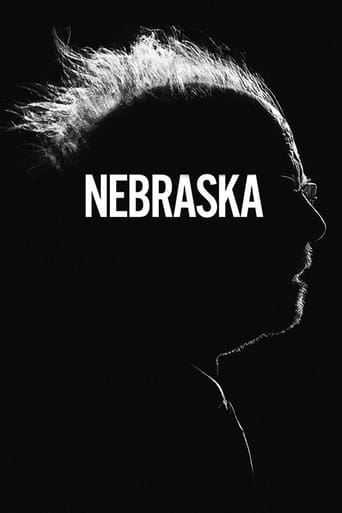
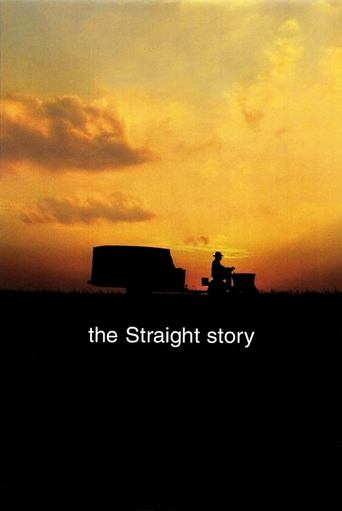
The quietest road of the shelf belongs to The Straight Story, of 1999, by David Lynch, with a 7.7: an old man rides a lawn mower across Iowa and Wisconsin to visit his sick brother. Nebraska, of 2013, by Alexander Payne, follows a father and son driving from Montana to Nebraska to collect a prize that exists only on paper, and Nomadland, of 2021, by Chloé Zhao, follows Frances McDormand as a widow living in her van, a film that won the Academy Award for best picture. Frances McDormand also appears in Almost Famous, of 2000, by Cameron Crowe, about a teenage journalist on tour with a rock band.
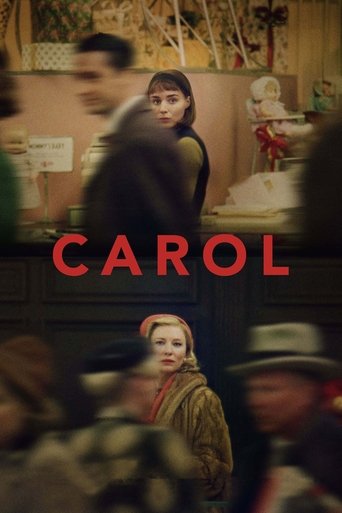
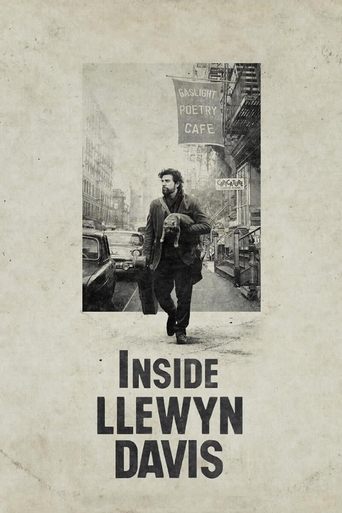
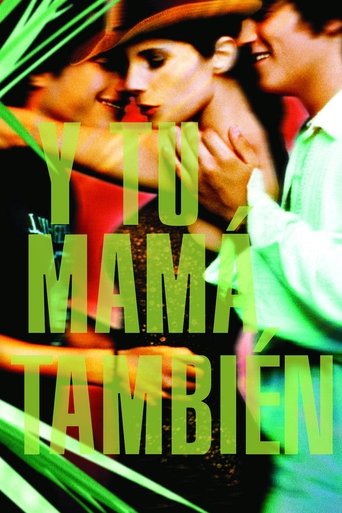
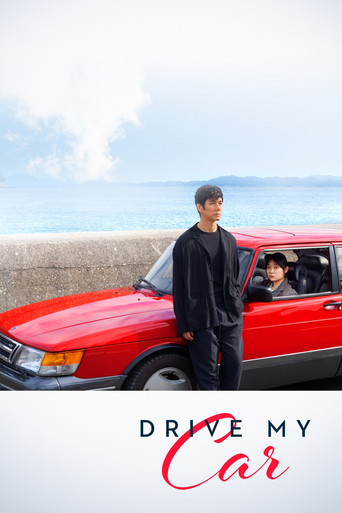
Love on the road gives the shelf three of its films: Carol, of 2015, by Todd Haynes, with Cate Blanchett and Rooney Mara, two women who fall in love on a winter drive across the Midwest in the 1950s; Up in the Air, of 2009, by Jason Reitman, with George Clooney as a man who lives on the move between airports and hotels, and My Own Private Idaho, of 1991, by Gus Van Sant, with River Phoenix and Keanu Reeves. The world roads of the shelf are Y Tu Mamá También, of 2001, by Alfonso Cuarón, two Mexican teenagers and an older woman driving to a hidden beach, and Drive My Car, of 2021, by Ryusuke Hamaguchi, with a theatre director and his young chauffeur in Hiroshima, at 179 minutes the longest film of the guide. Inside Llewyn Davis, of 2013, by the Coen brothers, follows a folk singer on a cold drive to Chicago.
Road adventures
The shelf Road adventures gathers twelve films from 1986 to 2024 where the journey becomes a struggle to survive or a quest. The most voted is Logan, of 2017, by James Mangold, with a 7.8 and about 21,000 votes, the most voted film of the whole guide: an ageing Wolverine drives a young girl across the American West toward a refuge in the north. Stand by Me, of 1986, by Rob Reiner, with a 7.8, follows four boys walking along the railway tracks to find a body, and Hell or High Water, of 2016, with Jeff Bridges and Chris Pine, follows two brothers who rob banks across West Texas.
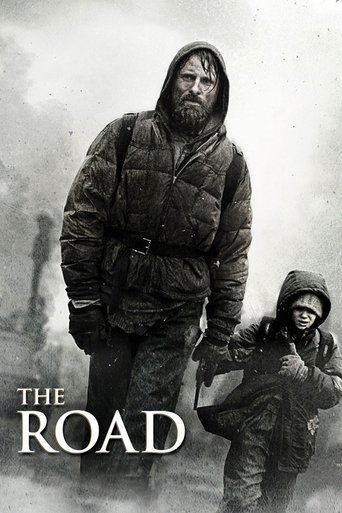
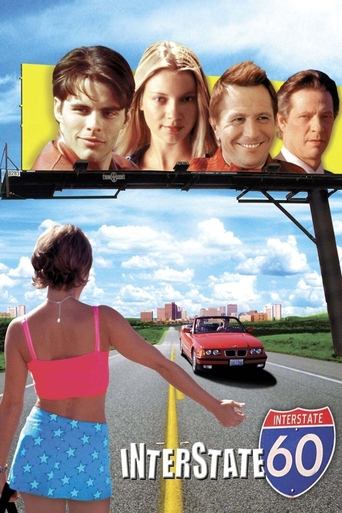
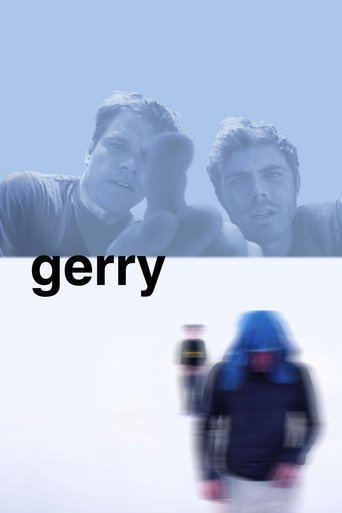
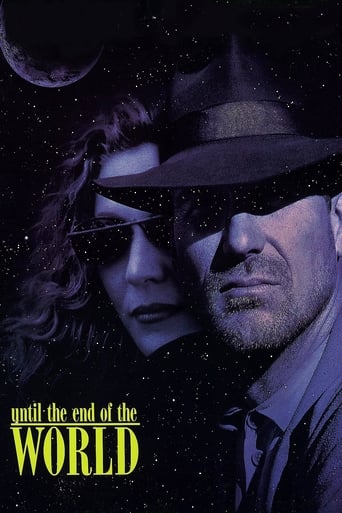
Two films of the shelf cross a ruined country: The Road, of 2009, with Viggo Mortensen as a father walking south with his son after a catastrophe, and Civil War, of 2024, by Alex Garland, with Kirsten Dunst as a war photographer driving toward Washington. On the Road, of 2012, by Walter Salles, adapts the novel by Jack Kerouac; The Way, of 2010, by Emilio Estevez, with Martin Sheen, follows a father walking the Camino de Santiago; The Leisure Seeker, of 2018, sends Helen Mirren and Donald Sutherland on a last trip in their old camper van; Lean on Pete, of 2018, follows a teenage boy and a racehorse across the Northwest, and Interstate 60, of 2002, is a fantasy of a highway missing from every map. Gerry, of 2002, by Gus Van Sant, and Until the End of the World, of 1991, by Wim Wenders, complete the shelf.
Family road trips
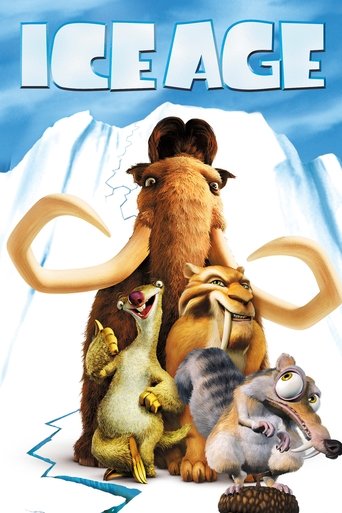
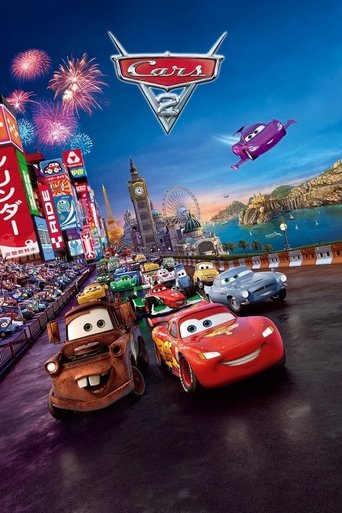
The shelf Family road trips gathers thirteen films from 1989 to 2020 for the whole family, seven of them animated. The most voted is Cars, of 2006, by John Lasseter, with Owen Wilson as the voice of Lightning McQueen, a racing car stranded on Route 66; Paul Newman, a racing driver himself, voices the old Doc Hudson. Cars 2, of 2011, sends the cars around the world, and Turbo, of 2013, gives a garden snail the speed to race at Indianapolis. Ice Age, of 2002, follows a mammoth, a sloth and a sabre-toothed tiger walking south with a human baby.
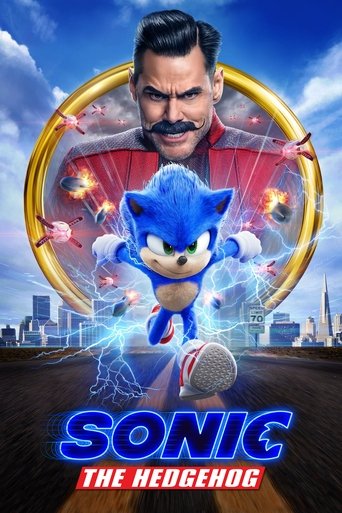
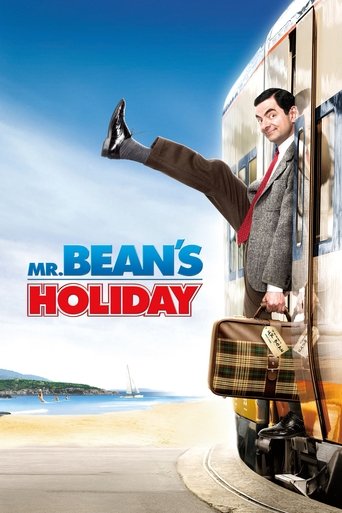
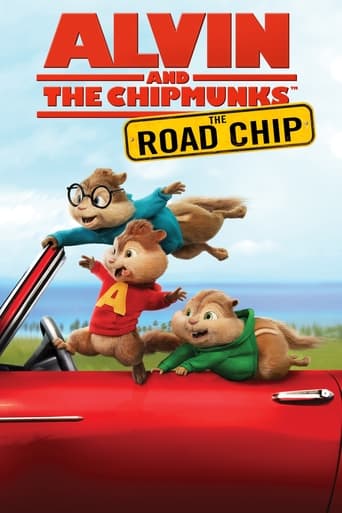
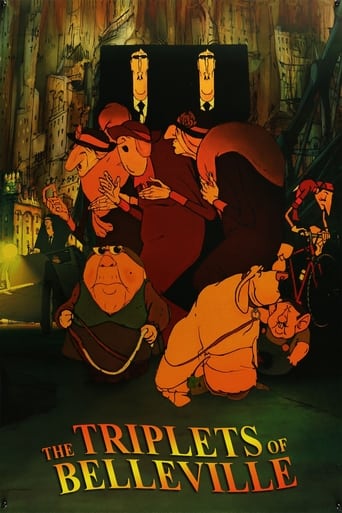
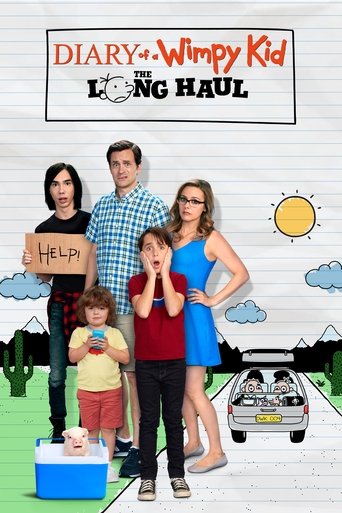
The live-action films of the shelf are comedies of the long drive: Sonic the Hedgehog, of 2020, a road trip of a small policeman and a blue hedgehog to San Francisco; Mr. Bean's Holiday, of 2007, Rowan Atkinson crossing France to Cannes; Are We There Yet?, of 2005, with Ice Cube driving two children to Vancouver; Diary of a Wimpy Kid: The Long Haul, of 2017, and The Wizard, of 1989, about a boy who travels to a video game championship. A Goofy Movie, of 1995, sends Goofy and his son on a fishing trip, Alvin and the Chipmunks: The Road Chip, of 2015, sends the chipmunks to Miami, We Bare Bears: The Movie, of 2020, with a 7.8, the best rated of the shelf, sends three bear brothers on the run to Canada, and The Triplets of Belleville, of 2003, by Sylvain Chomet, follows a grandmother and her dog chasing the kidnappers of a cyclist of the Tour de France.
Behind the wheel
The second family, Behind the wheel, is about driving itself: the car as a weapon, a getaway, a passion or a profession. Its four shelves hold 47 films and about 194,000 votes, and the guide Behind the wheel sums them up.
Classic car movies
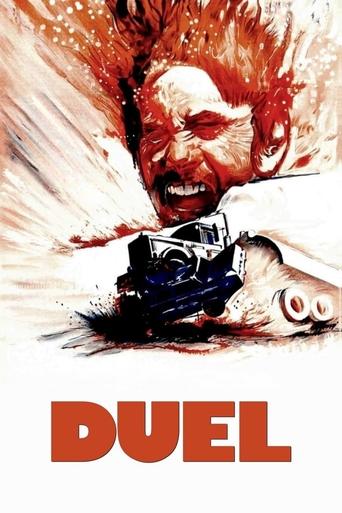
The shelf Classic car movies gathers thirteen films from 1953 to 1983, the golden age of the chase on screen. The oldest and the best rated is The Wages of Fear, of 1953, by Henri-Georges Clouzot, with an 8.0: four desperate men drive two trucks loaded with nitroglycerin across the mountain roads of South America. The most voted is Mad Max, of 1979, by George Miller, with Mel Gibson as a highway patrolman in a lawless near future, followed by its sequel Mad Max 2, of 1981, with the long tanker chase that became a model for action cinema. Steven Spielberg made his name with Duel, of 1971, in which a salesman is chased across the desert by an unseen truck driver, at 74 minutes the shortest live-action film of the guide.
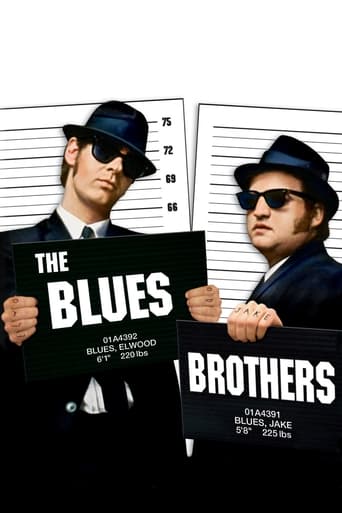
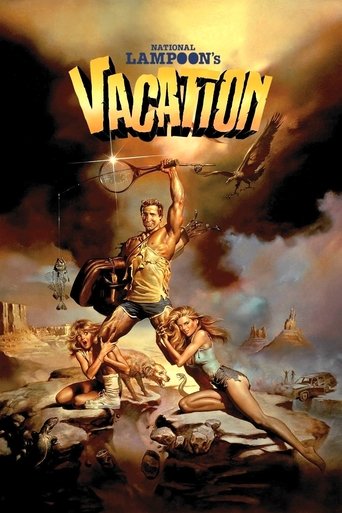
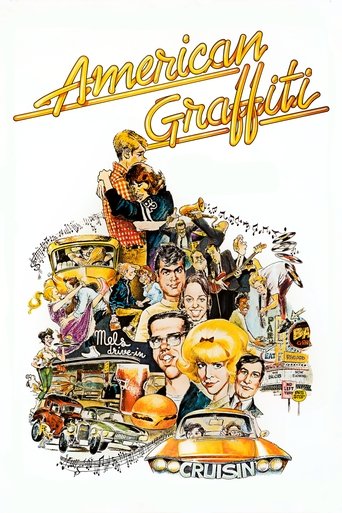
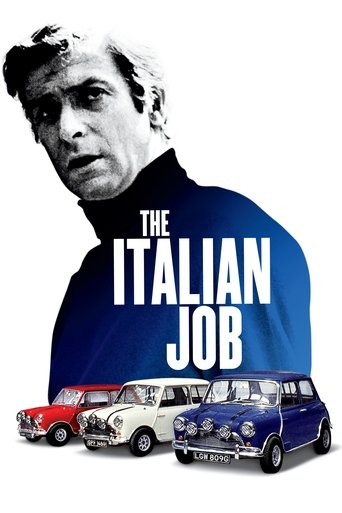
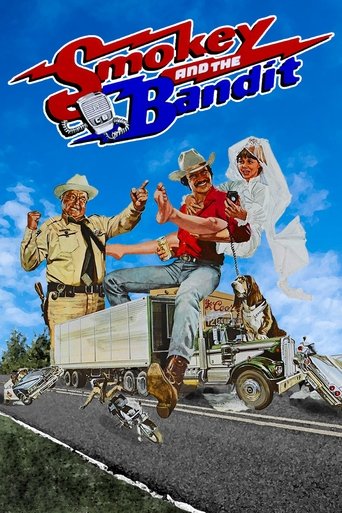
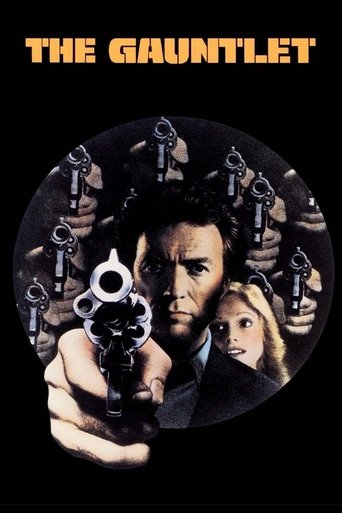
The 1970s turned the chase into comedy. The Blues Brothers, of 1980, with John Belushi and Dan Aykroyd, ends with one of the largest pile-ups of police cars ever filmed; Smokey and the Bandit, of 1977, with Burt Reynolds, races a truckload of beer across the South; The Italian Job, of 1969, with Michael Caine, escapes through Turin in three Mini Coopers, and The Love Bug, of 1968, gave Disney its living Volkswagen, Herbie. Vanishing Point, of 1971, follows a driver racing a Dodge Challenger from Denver to San Francisco; American Graffiti, of 1973, by George Lucas, spends one night cruising the streets of a small Californian town; Clint Eastwood appears in The Gauntlet, of 1977, and in Thunderbolt and Lightfoot, of 1974, by Michael Cimino, and Chevy Chase drives his family to Walley World in National Lampoon's Vacation, of 1983.
Getaway drivers and chases
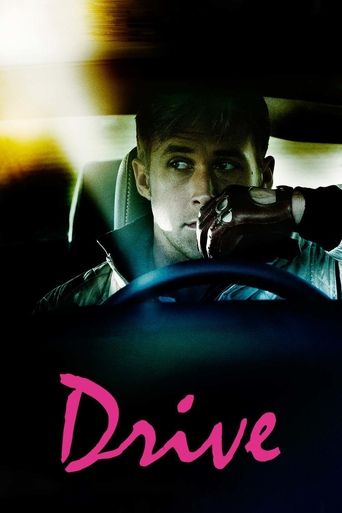
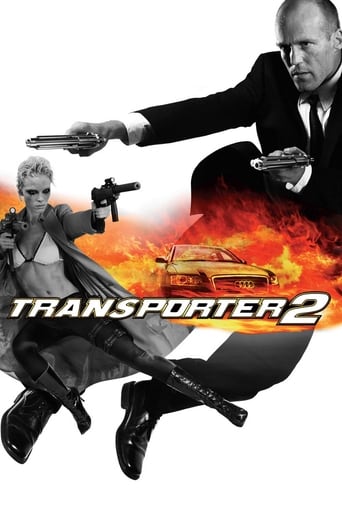
The shelf Getaway drivers and chases gathers eleven films from 2000 to 2025 about the professional driver of crime cinema. The most voted is Baby Driver, of 2017, by Edgar Wright, with a 7.4: a young getaway driver times every chase to the music in his earphones. Drive, of 2011, by Nicolas Winding Refn, with Ryan Gosling, the best rated of the shelf with a 7.6, follows a stunt driver who works nights for criminals. Jason Statham has four films here: The Transporter, of 2002, Transporter 2, of 2005, and Transporter 3, of 2008, as a driver who delivers any package under strict rules, and Death Race, of 2008, a deadly race in a prison of the future.
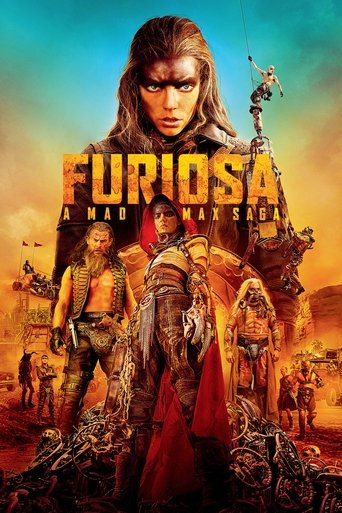
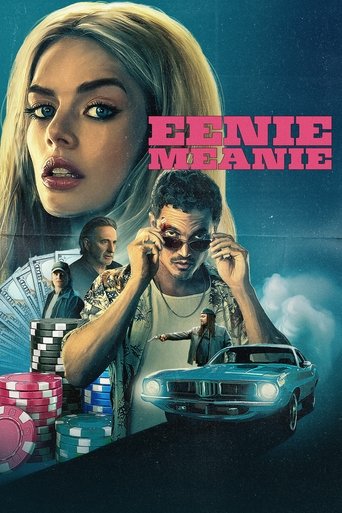
George Miller returns with Furiosa: A Mad Max Saga, of 2024, with Anya Taylor-Joy, the story of the war rig driver of the Mad Max films, so that Miller has three films in the guide across forty-five years. Nicolas Cage steals fifty cars in one night in Gone in Sixty Seconds, of 2000; Wheelman, of 2017, takes place almost entirely inside a getaway car, and Eenie Meanie, of 2025, with Samara Weaving, is the newest film of the shelf. The comedy Hit and Run, of 2012, by and with Dax Shepard, completes it.
The Fast saga and street racing
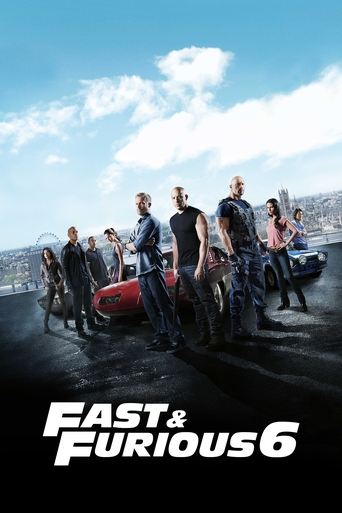
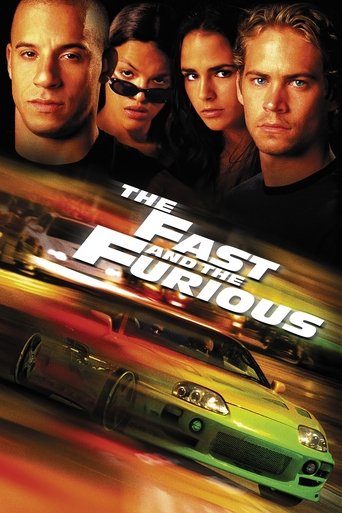
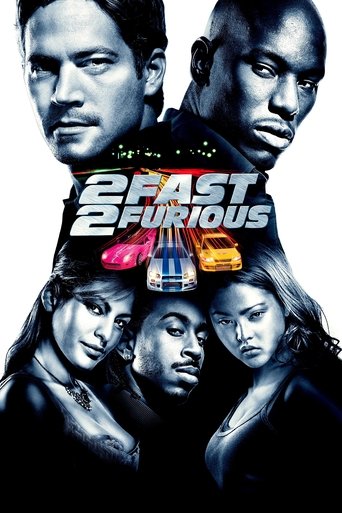
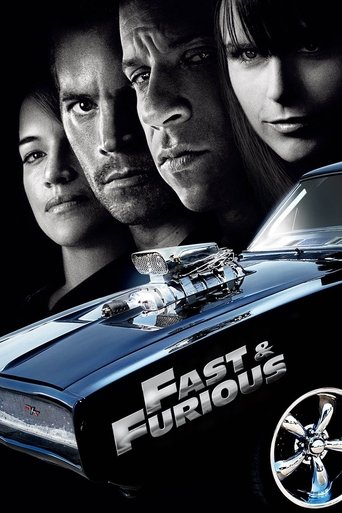
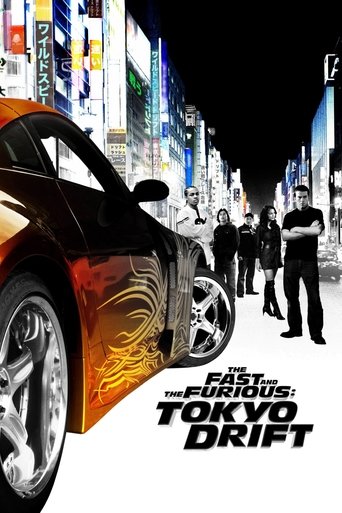
The shelf The Fast saga and street racing gathers twelve films from 2001 to 2022, seven of them from the Fast and Furious saga. The Fast and the Furious, of 2001, by Rob Cohen, sent Paul Walker as an undercover police officer into the street racing world of Vin Diesel in Los Angeles; 2 Fast 2 Furious moved to Miami in 2003, The Fast and the Furious: Tokyo Drift to Japan in 2006, and Justin Lin, who directed four of the films, turned the saga into heist cinema with Fast Five, of 2011. Furious 7, of 2015, by James Wan, the most voted of the shelf, closed with a farewell to Paul Walker, who died during the shoot. Paul Walker appears in seven films of the guide, six of them in this saga and the seventh, Joy Ride, on the Dark roads shelf.
Street racing beyond Hollywood completes the shelf: Initial D, of 2005, made in Hong Kong after the Japanese manga about a tofu delivery boy who drifts down a mountain pass, and Seoul Vibe, of 2022, a Korean heist on the roads of Seoul in 1988. Torque, of 2004, and Biker Boyz, of 2003, take the racing to motorcycles, and the parody Superfast!, of 2015, laughs at the whole genre.
Track racing
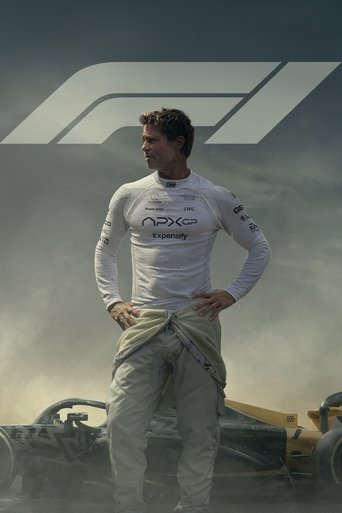
The shelf Track racing gathers eleven films from 1986 to 2025 about motor sport. The most voted is Ford v Ferrari, of 2019, by James Mangold, with an 8.0: Matt Damon and Christian Bale build the Ford GT40 that challenged Ferrari at Le Mans in 1966. Mangold also directed Logan, the most voted film of the guide. Rush, of 2013, by Ron Howard, tells the rivalry of the Formula One drivers James Hunt and Niki Lauda in 1976, and F1, of 2025, by Joseph Kosinski, with Brad Pitt as a veteran driver returning to the grid, is one of the two newest films of the guide, with Eenie Meanie.
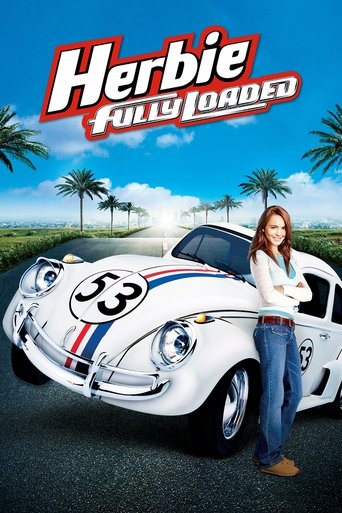
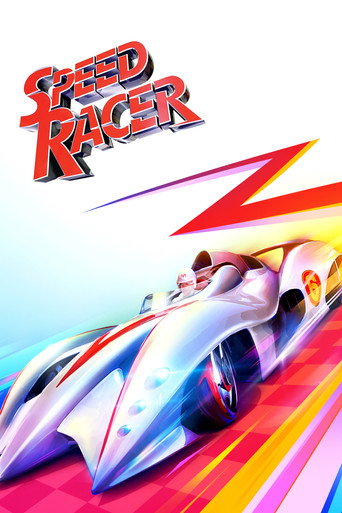
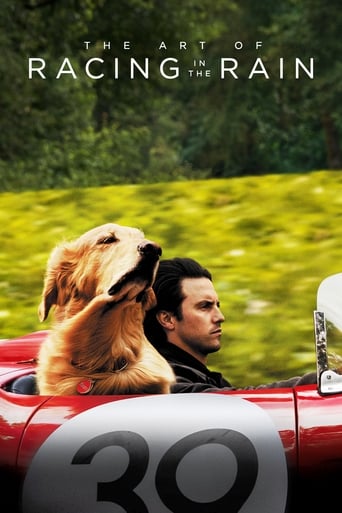
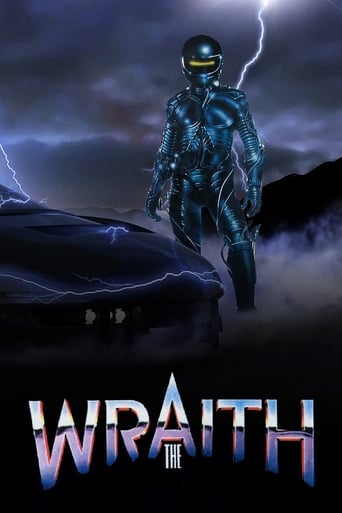
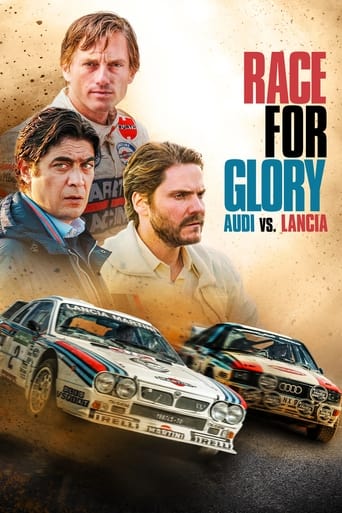
NASCAR has three films: Days of Thunder, of 1990, with Tom Cruise; Talladega Nights, of 2006, the comedy with Will Ferrell, and Logan Lucky, of 2017, by Steven Soderbergh, a heist during a race at the Charlotte Motor Speedway. The Art of Racing in the Rain, of 2019, with an 8.1, the best rated of the shelf, tells the life of a racing driver through the eyes of his dog; Speed Racer, of 2008, by the Wachowskis, brings the Japanese cartoon to live action; Herbie Fully Loaded, of 2005, returns the Love Bug to the track with Lindsay Lohan, and Race for Glory: Audi vs. Lancia, of 2024, recreates the rally championship of 1983. The Wraith, of 1986, a supernatural race in the Arizona desert, completes the shelf.
Two wheels and big rigs
The third family, Two wheels and big rigs, leaves the car for the vehicles at either end of the road: the motorcycle, the truck, the bus and the taxi. Its three shelves hold 37 films, and the guide Bikes and rigs sums them up.
Motorcycles
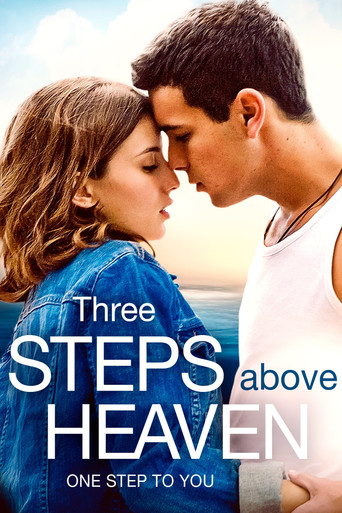
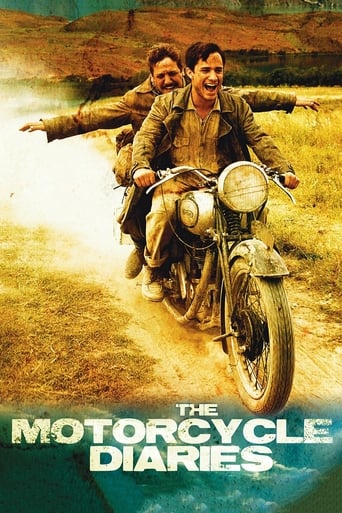
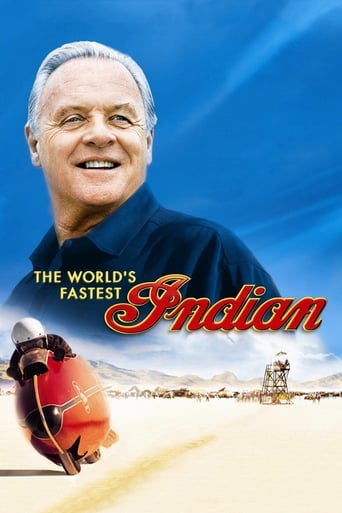
The shelf Motorcycles gathers twelve films from 1991 to 2024. The best rated, with a 7.7 each, are a true story and a Spanish romance, and a second true story follows close behind. The World's Fastest Indian, of 2005, by Roger Donaldson, stars Anthony Hopkins as Burt Munro, a New Zealander who rebuilt a 1920 Indian motorcycle and set a land speed record on the Bonneville Salt Flats in his sixties. The Motorcycle Diaries, of 2004, by Walter Salles, with Gael García Bernal, follows the young Ernesto Guevara and his friend Alberto Granado on a journey across South America on an old Norton. The Spanish romance is Three Steps Above Heaven, of 2010, with Mario Casas as a rebel biker in Barcelona, which made its star famous across the Spanish-speaking world.
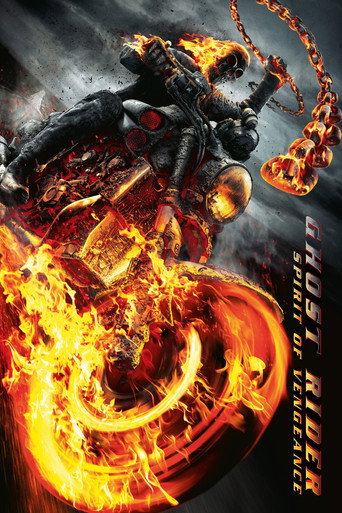
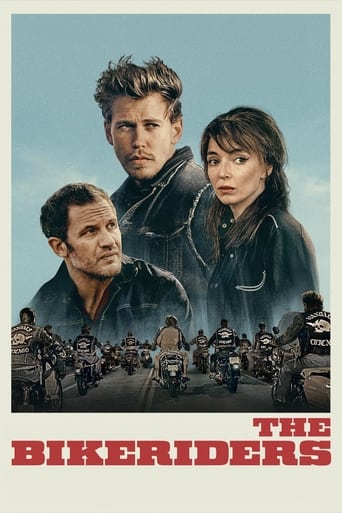
Nicolas Cage rides a flaming motorcycle as a stunt rider who sold his soul in Ghost Rider, of 2007, the most voted film of the shelf, and in its sequel Ghost Rider: Spirit of Vengeance, of 2011. Ryan Gosling robs banks on a motorcycle in The Place Beyond the Pines, of 2013, by Derek Cianfrance, and the 1960s motorcycle club of The Bikeriders, of 2024, by Jeff Nichols, with Austin Butler and Jodie Comer, is the newest film of the shelf. The comedy Wild Hogs, of 2007, sends four suburban men on a road trip on their motorcycles, with Tim Allen and John Travolta. Completing the shelf are the Hindi action hit Dhoom, of 2004, about a gang of motorcycle thieves; The Brown Bunny, of 2003, by Vincent Gallo; Hell Ride, of 2008, and Stone Cold, of 1991.
Trucks and buses
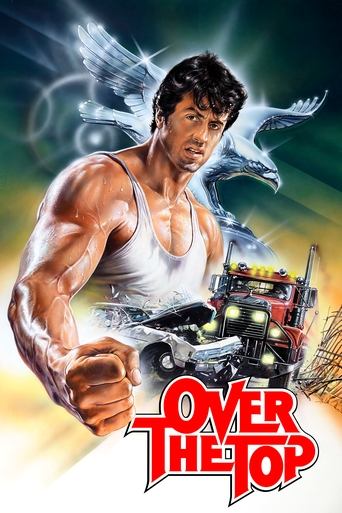
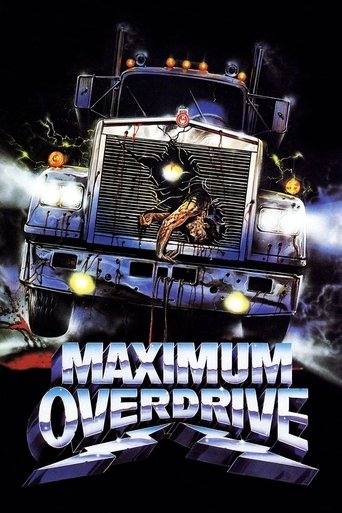
The shelf Trucks and buses gathers twelve films from 1985 to 2022 about the big vehicles of the road. The most voted is Big Trouble in Little China, of 1986, by John Carpenter, with Kurt Russell as a truck driver drawn into the magic underworld of San Francisco's Chinatown. The Ice Road, of 2021, sends Liam Neeson driving a rig across a frozen lake to rescue trapped miners; Over the Top, of 1987, puts Sylvester Stallone in a truck and at an arm-wrestling championship, and Maximum Overdrive, of 1986, the only film directed by Stephen King, turns the trucks against their drivers.
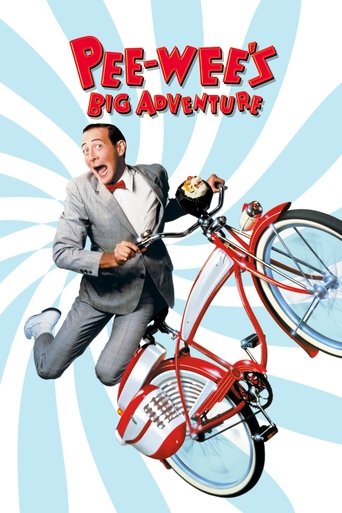
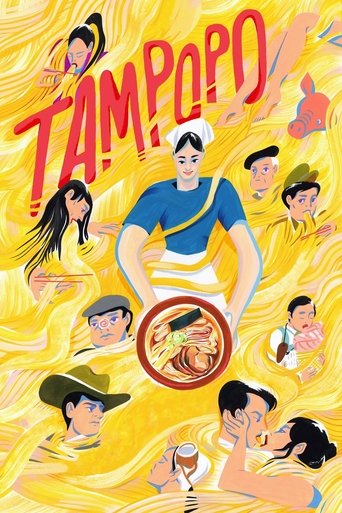
The best rated film of the shelf is Tampopo, of 1985, by Jūzō Itami, with a 7.8: a truck driver helps a widow turn her shop into the best ramen restaurant in Tokyo, a comedy about food that has become a classic. Tim Burton's first feature, Pee-wee's Big Adventure, of 1985, follows Pee-wee across America in search of his stolen bicycle. The bus of the shelf belongs to Spice World, of 1997, the Spice Girls on tour in a Union Jack bus. Prince Avalanche, of 2013, with Paul Rudd and Emile Hirsch, paints road lines in a burned forest; Armored, of 2009, is a heist by armored truck guards; Paradise Highway, of 2022, follows Juliette Binoche as a trucker, and Rest Stop, of 2006, and Joy Ride 2: Dead Ahead, of 2009, bring the horror of the highway to the truck stop.
Taxis and drivers
The shelf Taxis and drivers gathers thirteen films from 1976 to 2024 about people who drive others for a living, with an average rating of 7.08. The most voted and the best rated is Taxi Driver, of 1976, by Martin Scorsese, with an 8.1 and about 13,900 votes: Robert De Niro as Travis Bickle, a lonely veteran who drives a cab through the nights of New York. Scorsese returned to the night streets with Bringing Out the Dead, of 1999, with Nicolas Cage as an ambulance driver. The other film with an 8 is the Korean A Taxi Driver, of 2017, with Song Kang-ho as a Seoul cab driver who takes a German journalist to Gwangju during the uprising of 1980.
The taxi is also a vehicle for action and comedy. The Fifth Element, of 1997, by Luc Besson, makes Bruce Willis a flying taxi driver in the New York of the twenty-third century; in Die Hard: With a Vengeance, of 1995, Willis and Samuel L. Jackson race a cab through Central Park; Collateral, of 2004, by Michael Mann, traps Jamie Foxx as a taxi driver with Tom Cruise as a hitman in the back seat. The French Taxi, of 1998, produced by Luc Besson, is the fastest cab of Marseille, and its American remake of 2004 sets the chase in New York with Queen Latifah.
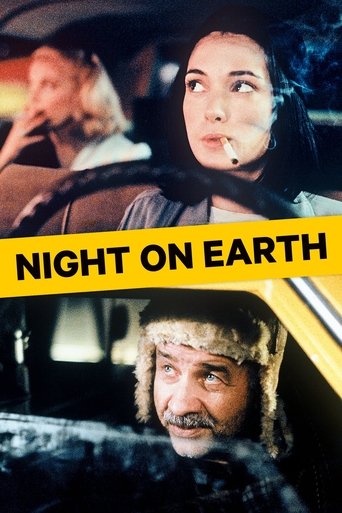
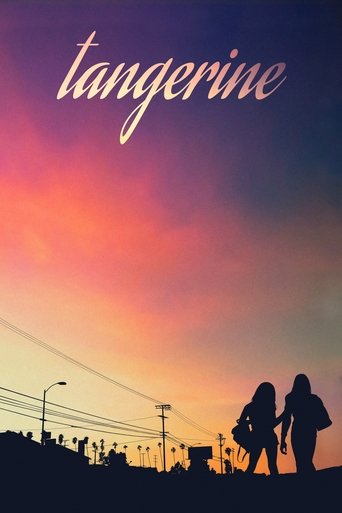
The quieter films of the shelf are about the passenger and the driver. Driving Miss Daisy, of 1989, with Morgan Freeman and Jessica Tandy, follows twenty-five years of a friendship in Atlanta and won the Academy Award for best picture. Night on Earth, of 1991, by Jim Jarmusch, tells five taxi rides on the same night in five cities; Daddio, of 2024, with Dakota Johnson and Sean Penn, takes place in a single cab ride from the airport; Tangerine, of 2015, by Sean Baker, shot on a phone, follows two friends across Los Angeles on Christmas Eve, and The White Tiger, of 2021, follows a chauffeur in India who rises from servitude to wealth.
After dark: the dark roads
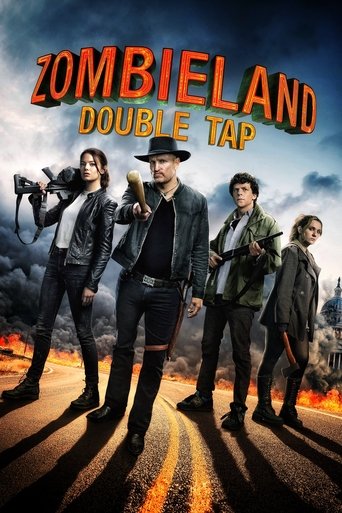
The last family, After dark, holds a single shelf, Dark roads, with thirteen horror films and thrillers from 1986 to 2022 in which the highway itself turns dangerous. The guide After dark sums it up. The most voted is Zombieland, of 2009, by Ruben Fleischer, a horror comedy in which four survivors drive across a zombie-filled America toward an amusement park, followed by its sequel Zombieland: Double Tap, of 2019. The best rated is Lost Highway, of 1997, by David Lynch, with a 7.6, a nightmare that begins and ends on a dark desert road; Lynch also made the gentle Straight Story, on Road trip dramas, so his two films sit at opposite ends of the guide.
The classic highway thriller is The Hitcher, of 1986, with Rutger Hauer as a hitchhiker who stalks the young driver who picked him up. Breakdown, of 1997, with Kurt Russell, follows a man whose wife vanishes after their car breaks down in the desert, and Joy Ride, of 2001, with Paul Walker and Steve Zahn, starts with a prank on a truck driver over the CB radio. The horror films of the shelf are the 2003 remake of The Texas Chainsaw Massacre, about friends on a road trip through rural Texas, and The Devil's Rejects, of 2005, by Rob Zombie.
The rest of the shelf uses the road for other kinds of darkness. Road to Perdition, of 2002, by Sam Mendes, with Tom Hanks and Paul Newman, follows a hitman and his son on the run across Illinois in 1931; Locke, of 2014, takes place entirely inside a car, with Tom Hardy on the phone during a single night drive; Bones and All, of 2022, by Luca Guadagnino, with Timothée Chalamet, is a love story of two young cannibals on the road in the 1980s; How It Ends, of 2018, crosses a collapsing America after a mysterious disaster, and The Signal, of 2014, sends three students on a drive that ends in a strange facility.
The directors across the shelves
A few directors return to the road again and again. George Miller has three films in the guide, the first two Mad Max films on Classic car movies and Furiosa on Getaway drivers, forty-five years apart. Justin Lin directed four of the seven Fast and Furious films, and Peter Farrelly three road trip comedies, Green Book, Dumb and Dumber and Me, Myself and Irene. James Mangold has two films on two shelves, Logan on Road adventures and Ford v Ferrari on Track racing, and Martin Scorsese two on Taxis and drivers, Taxi Driver and Bringing Out the Dead.
Wim Wenders appears with Paris, Texas and Until the End of the World, two long journeys of searching; Walter Salles with The Motorcycle Diaries and On the Road, two adaptations of famous travel books; Rob Reiner with Stand by Me and The Bucket List, and John Lasseter with the two Cars films. The guide The directors lists them all.
The stars on the road
Among the actors, Paul Walker leads with seven films, all but one in the Fast saga. Jack Nicholson appears in five, three classic road movies, Easy Rider, Five Easy Pieces and The Passenger, and two road comedies, As Good as It Gets and The Bucket List. Vin Diesel has five Fast films; Nicolas Cage four films on three shelves, from Gone in Sixty Seconds to the two Ghost Rider films and Bringing Out the Dead; Jason Statham four on Getaway drivers, and Viggo Mortensen three, Green Book, Captain Fantastic and The Road. Tom Cruise drives through three shelves, as the brother of Rain Man, the hitman of Collateral and the NASCAR driver of Days of Thunder, and Morgan Freeman through three more, from The Bucket List and Driving Miss Daisy to Paradise Highway. The guide The stars lists the actors who appear most often.
World roads
Most of the films of the guide are American, 99 of the 161 by first production country, but the collection World roads gathers the nineteen films in other languages than English. French is the language of five, The Fifth Element, the first Taxi, The Wages of Fear, Pierrot le Fou and The Triplets of Belleville; Italian of three, La Strada, Il Sorpasso and The Passenger; Spanish of three, Y Tu Mamá También, The Motorcycle Diaries and Three Steps Above Heaven; Japanese of two, Drive My Car and Tampopo; Korean of two, A Taxi Driver and Seoul Vibe, and Swedish, Cantonese, Hindi and German of one each, Wild Strawberries, Initial D, Dhoom and Until the End of the World. The guide World roads follows them across the map.
Routes and landscapes
The films of the guide draw a map of the roads of cinema. The American West is the great landscape of the genre: the desert of Duel and Breakdown, the Southwest of Thelma and Louise, the West Texas of Hell or High Water and the long empty highways of Paris, Texas, where Wim Wenders photographs the plains as if they were a sea. Route 66, the old highway from Chicago to Los Angeles, is the road of Cars, whose town of Radiator Springs stands for the places bypassed by the interstate. The South belongs to the musicians and their drivers, from the concert tour of Green Book to the motorcycles of Easy Rider, and the Midwest to the slow journeys of Nebraska and The Straight Story.
Other continents have their own roads. The Australian outback gives Mad Max and Mad Max 2 their empty highways; the coastal roads of Italy carry the open car of Il Sorpasso; the roads of Sweden lead the old professor of Wild Strawberries back through his memories, and the mountain passes of Japan are the stage of the drifting races of Initial D. The Motorcycle Diaries crosses South America from Argentina to Venezuela, and Drive My Car follows a red Saab through Hiroshima and up to the snow of Hokkaido. France gives the flight of Pierrot le Fou toward the Mediterranean, the Marseille of the first Taxi and the road to Cannes of Mr. Bean's Holiday, and New York gives the taxis of Taxi Driver, Night on Earth and Die Hard: With a Vengeance their canyons of light. Even the slowest film of the guide has its map: the lawn mower of The Straight Story covers about 240 miles, from Laurens, Iowa, to Mount Zion, Wisconsin. In every one of these films, the road ahead is part of the story, as much a character as the people who travel it. The guide Routes and landscapes follows these roads on the map.
The vehicles that became stars
Some of the vehicles of the guide are as famous as their drivers. The V8 Interceptor of Max Rockatansky, a black Ford Falcon, defined the look of Mad Max; the Bluesmobile, a retired police Dodge, carries The Blues Brothers through Chicago; three Mini Coopers in red, white and blue drive down the steps of Turin in The Italian Job, and a white Dodge Challenger crosses the West in Vanishing Point. Herbie, the Volkswagen with a will of its own, appears twice, in The Love Bug and in Herbie Fully Loaded, and Lightning McQueen leads the two Cars films. On two wheels, the Captain America chopper of Easy Rider became a symbol of the 1960s, and the old Norton of The Motorcycle Diaries, nicknamed La Poderosa, carries two young Argentines across a continent.
The trucks have their stars too: the anonymous tanker that chases Dennis Weaver in Duel, and the yellow Volkswagen van that the family of Little Miss Sunshine has to push to start. On the race track, the Ford GT40 of Ford v Ferrari and the Formula One cars of Hunt and Lauda in Rush are recreated with great care. And in Baby Driver, a red Subaru opens the film with one of the most celebrated chases of recent cinema. The guide The famous vehicles lists them all.
The award winners
Five films of the guide won the Academy Award for best picture, and four of them are road movies in the strictest sense: It Happened One Night, of 1934, the first; Rain Man, of 1988; Driving Miss Daisy, of 1989; Green Book, of 2018, and Nomadland, of 2021. Three of the five put a driver and a passenger side by side, a sign of how much drama a shared car can hold. The Wages of Fear won the Golden Bear in Berlin and the Palme d'Or in Cannes in 1953, and Paris, Texas won the Palme d'Or in 1984.
MovieOnDrive in figures
The 161 films of the guide carry about 587,000 votes on TMDB, with an average rating of 6.87; nine of them reach 8, and the collection Rated 8 or more lists them from the best down, led by Il Sorpasso and Green Book. The most voted are Logan, with about 21,000 votes, Baby Driver, Cars, Ice Age, Drive and Taxi Driver. Together the films last about 17,600 minutes, more than 290 hours of driving; the longest is Drive My Car, with 179 minutes, and the shortest live-action film is Duel, with 74.
By decade, the guide holds one film of the 1930s, one of the 1940s, three of the 1950s, five of the 1960s, twelve of the 1970s, sixteen of the 1980s, eighteen of the 1990s, 47 of the 2000s, 42 of the 2010s and sixteen of the 2020s. The collection Before 1980 gathers the 22 oldest, from 1934 to 1979, in order of release. The guide The figures gathers every number.
The MovieTube page of 2015
The 2015 page that gives this guide its look was built for speed. A thin orange header stayed fixed at the top of the window with the logo, a search box and the account buttons; under it, a pale grey page held a white menu on the left and wide white sections on the right, each with a semibold heading, a thin rule and a row of posters. The buttons were white with a soft grey gradient, the tabs turned orange when selected, and the links were blue. MovieOnDrive keeps that order: the orange header, the left box with the thirteen shelves, the white sections with an orange watch more link, and the grey footer. The guide The site and its capture compares the two pages.
Where to begin
For a first drive through the guide, start with the classics that defined each kind of road film: It Happened One Night for the romantic road comedy, Easy Rider for the counterculture road movie, Paris, Texas for the road as a search for lost love, and Thelma and Louise for the road as escape. Then change gear with Drive or Baby Driver for the getaway, Rush for the race track, Taxi Driver for the night city, and Zombieland for a scary ride with a smile. Families can start with Cars and Little Miss Sunshine, and anyone looking for something gentle can follow the lawn mower of The Straight Story.
How to use MovieOnDrive
The home page opens with an introduction and, on the left, the box Menu, with the thirteen shelves grouped by family, each marked with its colour: orange for the open road, blue for behind the wheel, green for two wheels and big rigs, and dark grey for after dark. Each entry shows the family, the shelf and its number of films, and leads to its row. Each row shows twelve posters with an orange watch more link that opens the full shelf. The menu in the header leads to the four families, and the search box finds any film by its title; the guide Search tips explains how.
Each poster shows the year in orange, the TMDB rating and, at the bottom, the road tag of its shelf, for example Getaway or Classic road; under the poster come the first genre and the running time. The film page has the English synopsis, the cast, the director and the genres. The Watch now button opens the film on JustWatch, which shows the services that offer it in your country, and the button My list keeps it in your browser. The guide How to use MovieOnDrive explains each part, and the guide The Watch now button explains how JustWatch works.
Questions
What is MovieOnDrive
An English guide to 161 films about the road and driving, in thirteen shelves and four families.
How were the films chosen
From TMDB films tagged with road, car, racing, motorcycle, truck and taxi keywords, checked by hand.
Which film has the most votes
Logan, on the Road adventures shelf, with about 21,000 votes.
Which films are the best rated
Il Sorpasso and Green Book, with an 8.2.
Which is the oldest film
It Happened One Night, of 1934.
Which is the longest film
Drive My Car, with 179 minutes.
How many films won best picture
Five: It Happened One Night, Rain Man, Driving Miss Daisy, Green Book and Nomadland.
Which actor appears most often
Paul Walker, with seven films, six of them in the Fast saga.
Where can I watch the films
The Watch now button opens each film on JustWatch, which shows the services that offer it in your country.
Where is My list kept
In your browser, on the device where you create it.
